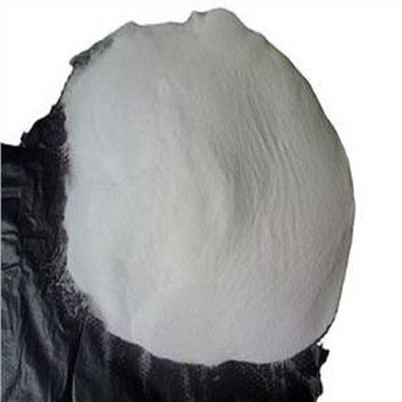
Bright color, strong and durable PVC resin
Leave a message
PVC resin
PVC is a polyvinyl chloride plastic with bright color, corrosion resistance, firmness and durability. Due to the addition of some toxic auxiliary materials such as plasticizers and anti-aging agents in the manufacturing process, its products generally do not store food and medicine.
PVC is actually a polymer substance of vinyl. Simply put, an aqueous solution of salt is chemically decomposed under the action of an electric current. This process produces chlorine, caustic soda and hydrogen. Refining, cracking petroleum or gasoline produces ethylene. When chlorine and ethylene are mixed, dichloroethylene is produced; dichloroethylene can be converted to produce chlorinated vinyl, which is the basic building block of polyvinyl chloride. The polymerization process links the chlorinated vinyl molecules together to form PVC chains. The PVC produced in this way is in the form of a white powder. It cannot be used alone, but can be mixed with other ingredients to create many products.
Polyvinyl chloride has outstanding characteristics such as abundant raw materials (petroleum, limestone, coke, salt and natural gas), mature manufacturing process, low price, and wide range of uses. It has become the second largest general-purpose resin in the world after polyethylene resin, accounting for 29% of the world's total consumption of synthetic resins. PVC is easy to process and can be processed by molding, lamination, injection molding, extrusion molding, calendering, blow molding, etc. Polyvinyl chloride is mainly used to produce soft plastic products such as artificial leather, film, wire sheath, etc., and can also produce hard plastic products such as plates, doors and windows, pipes and valves.
Polyvinyl chloride has flame retardant (flame retardant value above 40), high chemical resistance (resistance to concentrated hydrochloric acid, 90% sulfuric acid, 60% nitric acid and 20% sodium hydroxide), mechanical strength And the advantage of good electrical insulation. However, its heat resistance is poor, the softening point is 80 °C, and it begins to decompose and discolor at 130 °C, and precipitate HCI.