Softness, Chemical Stability Of PVC
Leave a message
The biggest feature of PVC is flame retardant, so it is widely used in fire protection applications. But PVC releases hydrogen chloride and other toxic gases such as dioxins when it burns.
The combustion of PVC is divided into two steps. First, the hydrogen chloride gas and diolefins containing double bonds are decomposed by combustion at 240-340°C, and then carbon combustion occurs at 400-470°C.
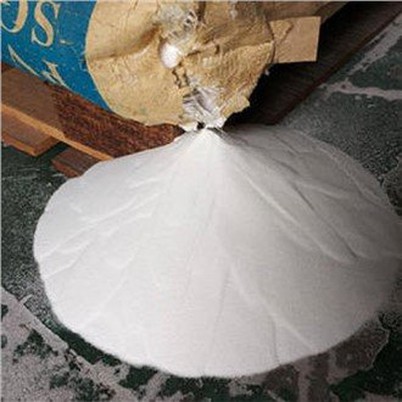
It is one of the plastic products with the largest output in the world, it is cheap and widely used, and the polyvinyl chloride resin is white or light yellow powder. Different additives can be added according to different uses, and PVC plastics can exhibit different physical and mechanical properties. Adding an appropriate amount of plasticizer to polyvinyl chloride resin can make a variety of hard, soft and transparent products.
The density of pure PVC is 1.4g/cm3, and the density of PVC plastic parts with plasticizers and fillers is generally 1.15-2.00g/cm3.
Rigid PVC has good tensile, bending, compression and impact resistance, and can be used alone as a structural material.
The flexibility, elongation at break, and cold resistance of soft PVC will increase, but the brittleness, hardness, and tensile strength will decrease.
Polyvinyl chloride has good electrical insulation properties, can be used as low-frequency insulation material, and its chemical stability is also good. Due to the poor thermal stability of polyvinyl chloride, long-term heating will cause decomposition, release HCL gas, and make polyvinyl chloride discolor, so its application range is narrow, and the operating temperature is generally between -15~55 °C.