What Is Polyvinyl Chloride
Leave a message
Polyvinyl chloride (Polyvinyl chloride), English abbreviation PVC, is a polymer of vinyl chloride monomer (VCM) polymerized by peroxide, azo compound and other initiators or under the action of light and heat according to the mechanism of free radical polymerization. . Vinyl chloride homopolymers and vinyl chloride copolymers are collectively referred to as vinyl chloride resins.
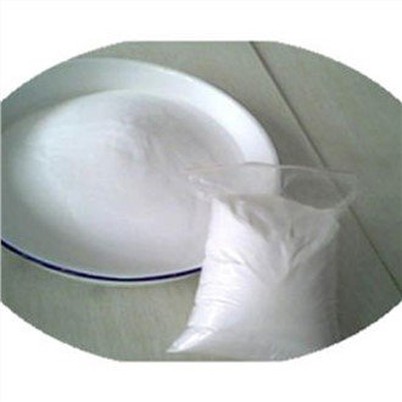
PVC is a white powder with an amorphous structure with a small degree of branching. The glass transition temperature is 77~90℃, and it begins to decompose at about 170℃. It has poor stability to light and heat. , it will decompose to produce hydrogen chloride, and further autocatalytic decomposition, causing discoloration, and the physical and mechanical properties also drop rapidly. In practical applications, stabilizers must be added to improve the stability to heat and light.
The molecular weight of industrially produced PVC is generally in the range of 50,000 to 110,000. It has a large polydispersity. The molecular weight increases with the decrease of the polymerization temperature. , 160 ~ 180 ℃ began to transform into a viscous flow state; good mechanical properties, tensile strength of about 60MPa, impact strength of 5 ~ 10kJ/m2; excellent dielectric properties.
PVC was once the largest general-purpose plastic in the world, and it is widely used. It is widely used in building materials, industrial products, daily necessities, floor leather, floor tiles, artificial leather, pipes, wires and cables, packaging films, bottles, foam materials, sealing materials, fibers, etc.